Deep-Seabed Mining
Inside the ISA’s March 2026 Meeting - Advancing Regulations, Confronting Contractor Non-Compliance
Key words: Deep-seabed mining, ISA, Ocean Governance, Law of the Sea, Unilateral Mining
Progress on the ISA’s Mining Code
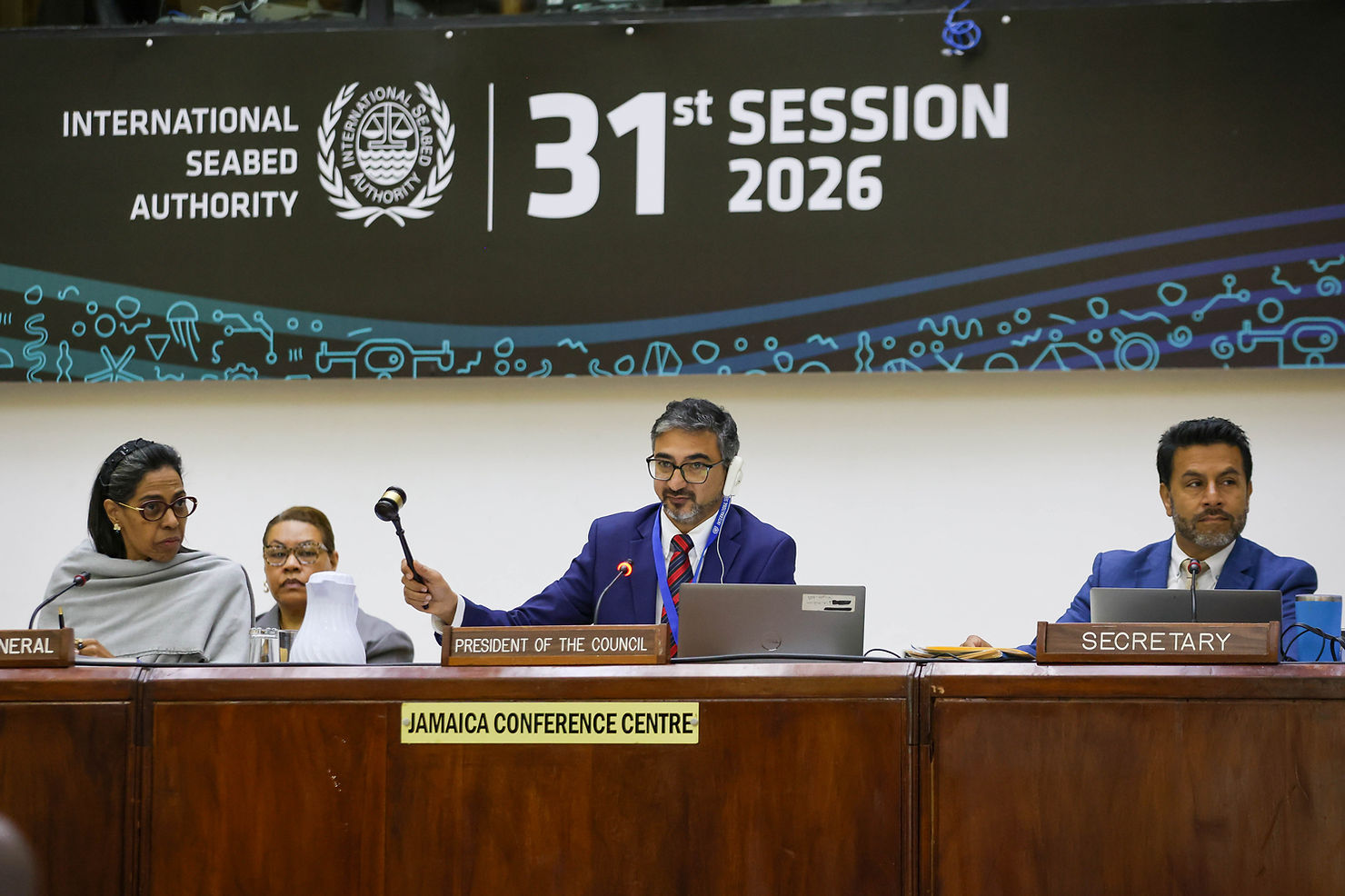
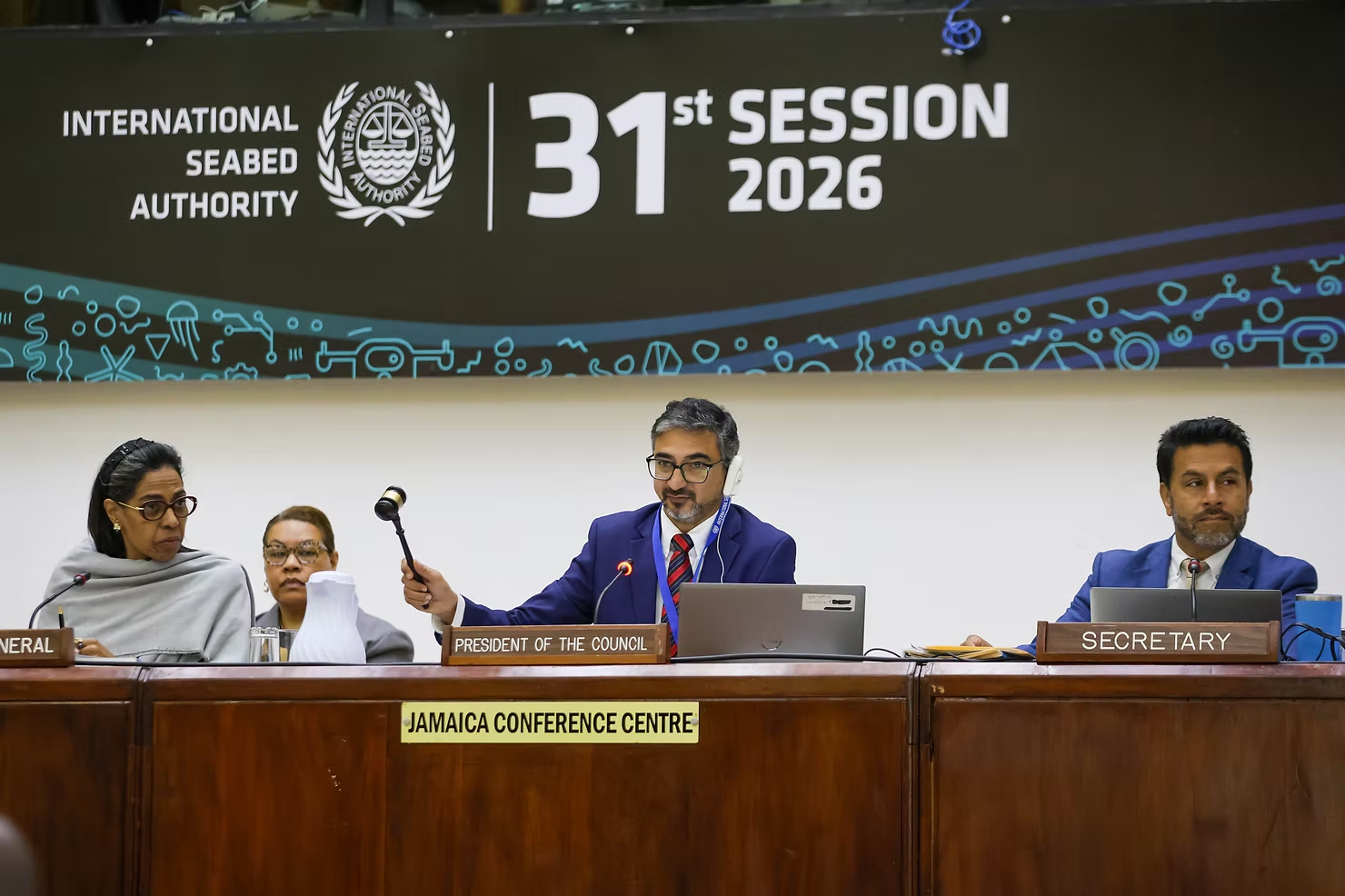
The Council is currently negotiating a Mining Code for deep-seabed mining (DSM), specifically the rules, regulations and procedures for exploitation.
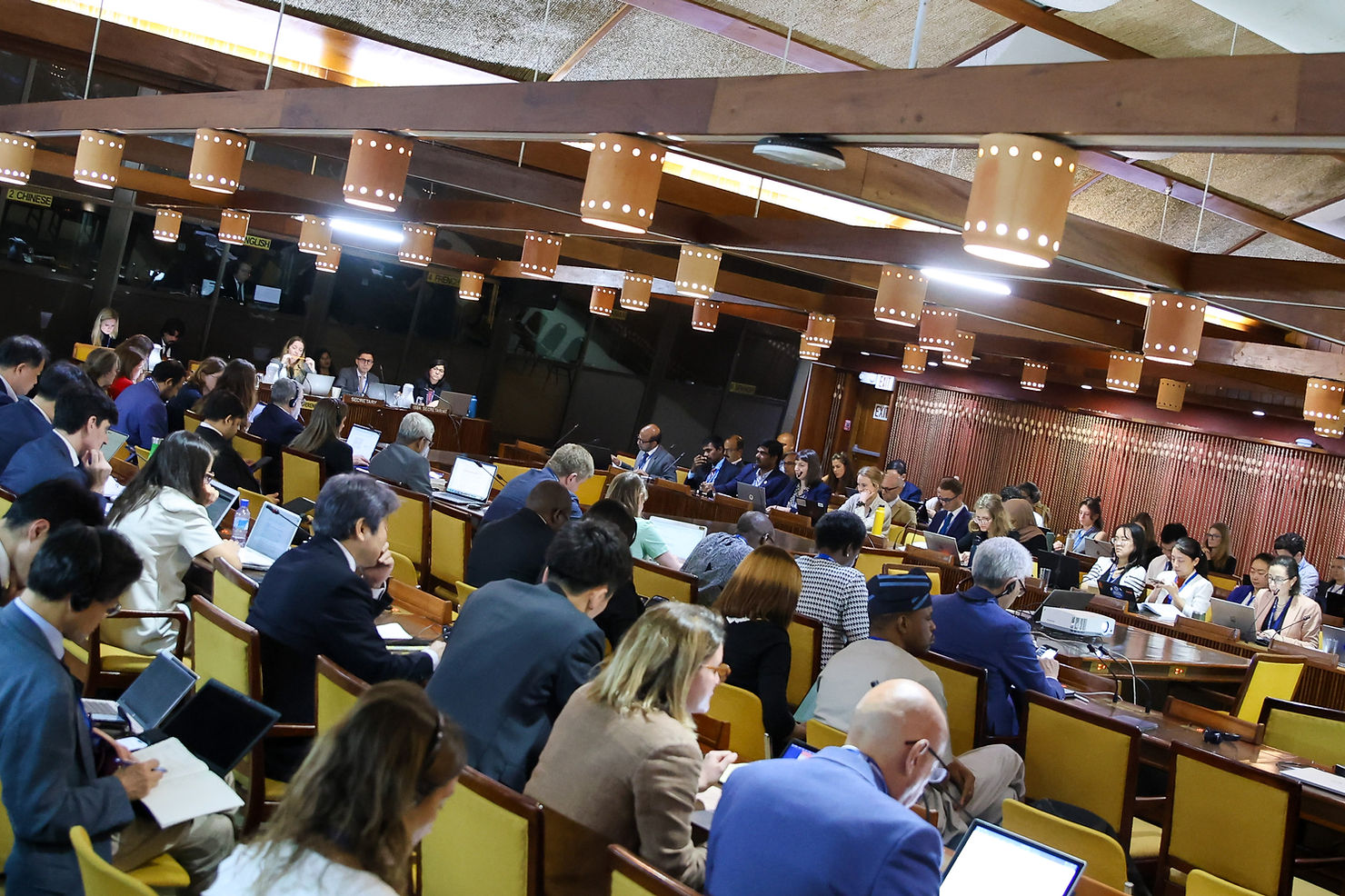
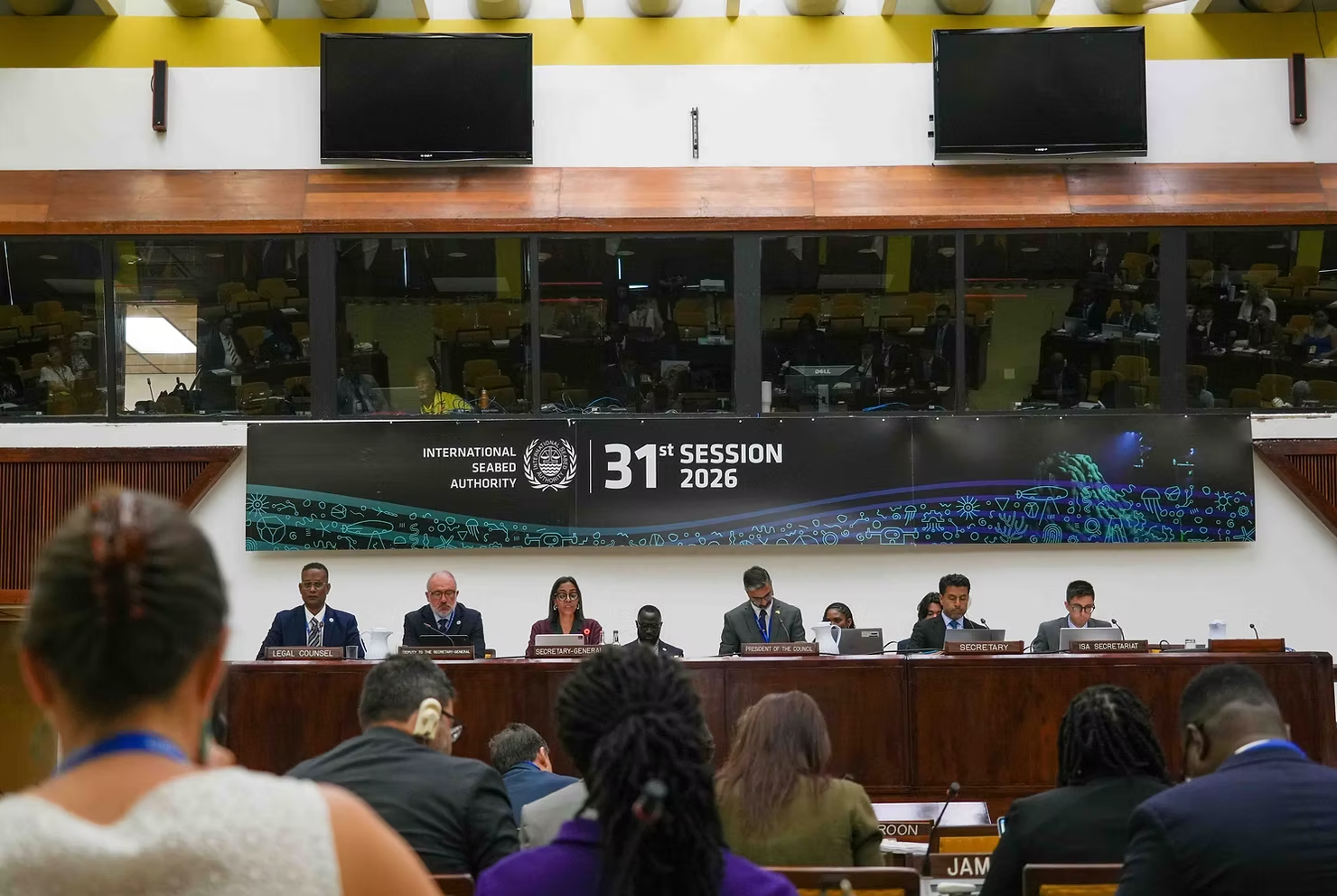
The Council continued to make steady progress on its negotiations on the draft exploitation regulations during this session, with significant work having been conducted intersessionally by States and observers.
Following on from the Council’s July 2025 decision to adopt a thematic approach to negotiations, the most recent Draft of the Exploitation Regulations (published by the ISA in February 2026) was negotiated by tackling overarching themes led by informal working groups. This thematic approach proved fruitful in advancing progress on key outstanding issues that were identified as most pertinent, such as the legal status of regional environmental management plans, inspectors and inspections, underwater cultural heritage, and environmental management and monitoring.
Despite this continued progress, key areas of concern within the exploitation regulations require substantial work before they can be adopted.
For example, States have still not reached agreement on key aspects of the DSM regime, including:
- the inclusion and placement of strategic environmental goals and objectives, which are essential to ensure effective protection of the marine environment, in either regulations, standards or an overarching policy;
- regulatory matters such as effective control and parent company liability, which is central to understanding which State exercises control over contractors and how liability will be dealt with where harm may occur; and
- financial matters such as environmental externalities in royalty system designs which need to be in place to compensate the environmental costs that activities in the Area might cause.
For the first time in two years, the Council started to review the Annexes to the draft exploitation regulations. However, significant work is required to improve these annexes, which include key aspects of the ISA’s regime, particularly environmental provisions such as the content and form of environmental impact statements, environmental management and monitoring plans and closure plans. It was agreed that a new revised text of the draft exploitation regulations, with proposals from this session, would be created before the Council’s session in July 2026.
Prior to the Council’s meeting, Global Sea Mineral Resources, a contractor that holds an exploration contract with the ISA, sent a letter to the ISA urging the ISA to prioritise the adoption of the exploitation regulations, indicating that such draft regulations are already well advanced. However, this Industry perspective seems to oversimplify the legal, technical, and financial complexity of this extractive regime that the exploitation regulations will be required to govern. States are obligated under Art. 145 UNCLOS to protect and preserve the marine environment from the harmful effects of DSM. Exploitation in the Area poses a serious risk to the marine environment and, with limited knowledge of deep-sea ecosystems and the impacts of DSM on such ecosystems, States are therefore required to adopt a precautionary approach to DSM in the Area. While the environmental provisions in the exploitation regulations have advanced significantly, much of their actual implementation depends on the content included in standards - based on substantial scientific data - many of which are still being developed or have not yet been developed by the ISA, but which the Council has explicitly agreed must be in place before exploitation is permitted to commence (the current list includes 46 outstanding standards and guidelines). Moreover, DSM should only be permitted to commence if it results in equitable financial distribution and benefits to developing states. A suitable financial regime in this regard is nowhere close to being finalised.
The draft exploitation regulations were thus not adopted at this Council session.
The development of the rules, regulations and procedures of the exploitation regulations cannot, and should not, be unduly rushed, especially to appease Industry actors rather than to ensure that activities in the Area are carried out for the benefit of humankind as a whole and before it can be ensured that harm will not be caused to the marine environment by DSM activities.
Before the commencement of the session, the Deep Sea Conservation Coalition (DSCC) sent an open letter to the ISA warning against rushing the finalisation of regulations because of commercial or political pressure and indicating that:
“The ISA’s credibility depends on demonstrating that the institution is capable of acting decisively to protect its jurisdiction, not by succumbing to coercion. To safeguard multilateralism and the ISA’s credibility in the wake of unilateral attempts, the ISA and its member States should instead deploy their existing powers under UNCLOS to render unilateral deep-sea mining unviable.”
Upholding transparency: Livestreaming lapses at the Council meeting
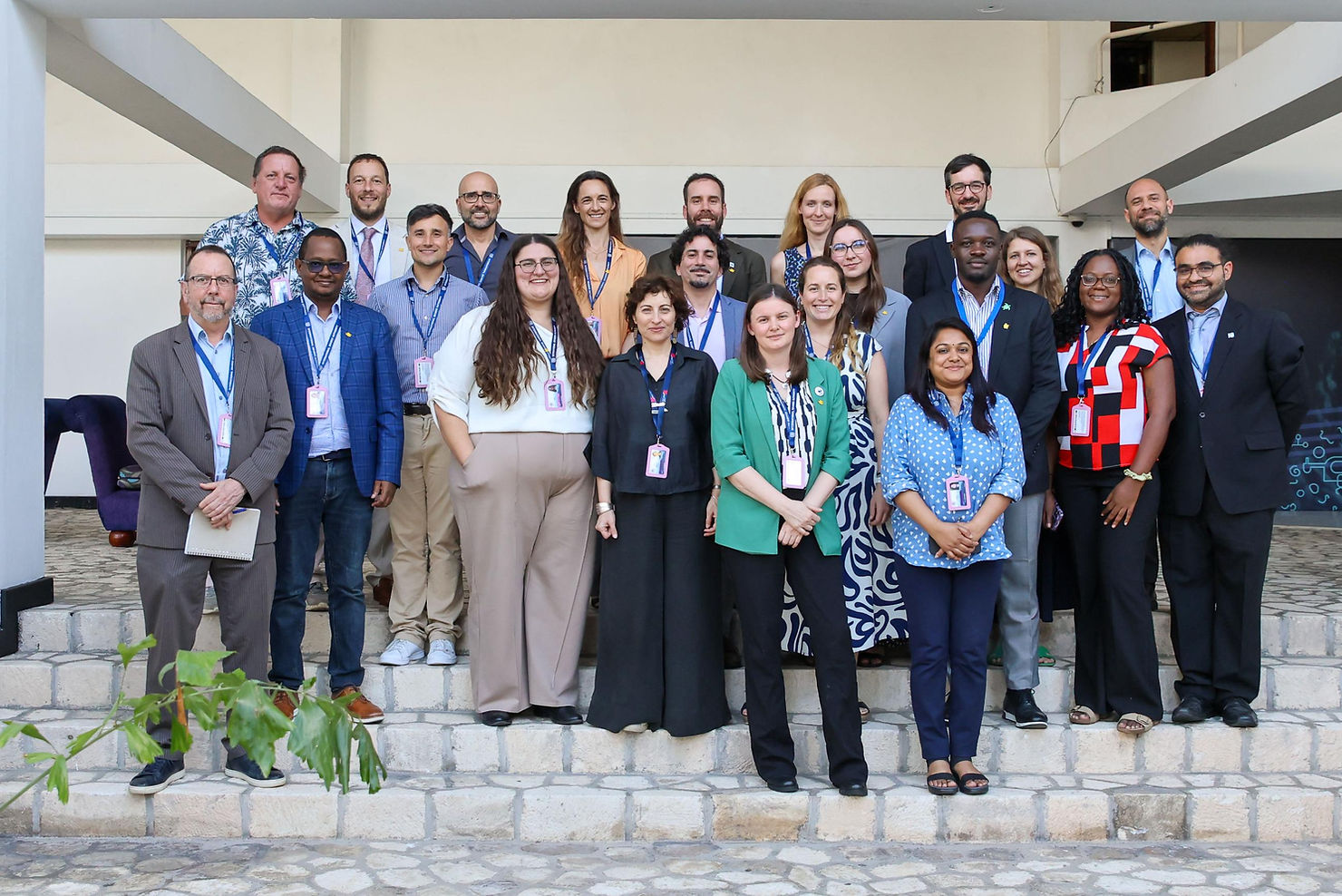
The ISA has a standing practice in place that Council meetings are live-streamed on ISA TV. This ensures that the formal negotiations of the ISA can be accessed by anyone in the public and generally increases the inclusivity and transparency for stakeholder participation at the ISA, thus enhancing the credibility of the ISA. This live-streaming is crucial for ensuring better participation by all States - it allows States that are unable to bring large delegations to ISA meetings in-person, due to capacity and financial constraints, to have team members follow the proceedings online. However, the beginning of this Council meeting signalled a departure from this long-standing practice as meetings took place without this live streaming, and in smaller rooms that could not fit all state delegations and observers. With significant pushback from States, this practice was fortunately restored after 3 days, with many States questioning why there had been a change in the first place, without any direction from the Council.
Cooperation and Coordination with BBNJ Institutions
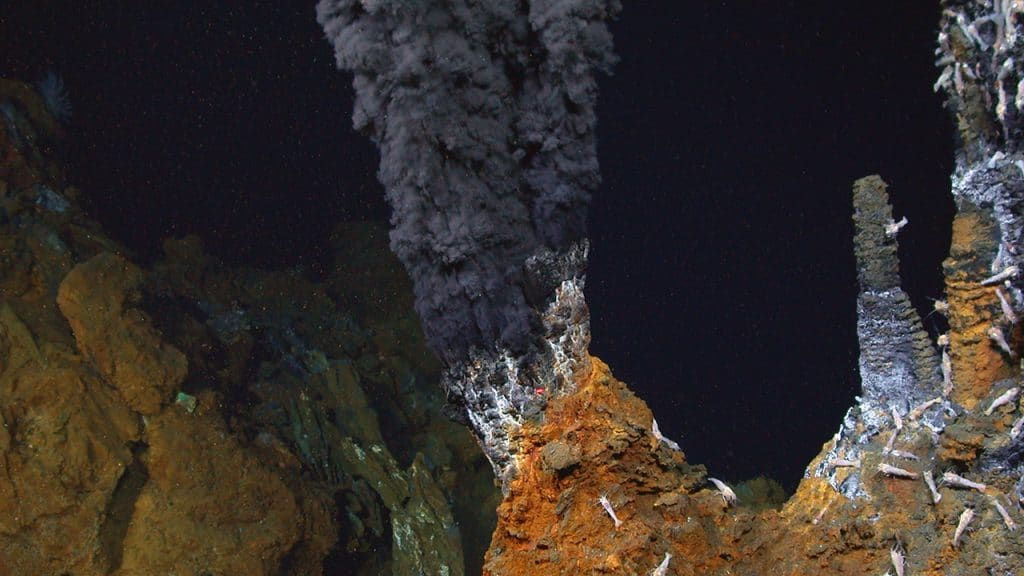
The Agreement under the United Nations Convention on the Law of the Sea on the Conservation and Sustainable Use of Marine Biological Diversity of Areas beyond National Jurisdiction (BBNJ Agreement) entered into force on 17 January 2026. The jurisdiction of both the ISA and the BBNJ Agreement is in areas beyond national jurisdiction, requiring collaboration and coordination between the ISA and the bodies that will be established under the BBNJ Framework. The BBNJ Agreement (Art. 8) explicitly requires its Parties to cooperate and coordinate with other international bodies, like the ISA, to achieve the BBNJ’s objectives and to endeavour to promote the BBNJ’s objectives in decision-making of these other international bodies.
A draft decision was put forward to the Council by the Secretary-General to enable her proactive engagement with the bodies and processes under the BBNJ Agreement. While strong statements were made in plenary by many States about the importance of cooperation and coordination between the ISA and the BBNJ, ultimately the Council decided that such a decision was premature because the BBNJ institutional framework is still being established. This issue will be reconsidered at the July 2026 Council meeting, and once the final BBNJ Prepcom has taken place (which commenced the week after the Council’s March 2026 meeting).
The Threat of Unilateral Mining: The ISA’s inquiry into contractor non-compliance

Following the directions of the current US administration’s Executive Order in April 2025 to expedite a domestic process unilaterally to authorise the exploitation of resources in the Area, in January 2026, the US regulator, the US National regulator National Oceanic and Atmospheric Administration (NOAA) finalised new rules under the US’ Deep Seabed Hard Mineral Resources Act (DSHMRA) which permits exploration and commercial recovery licenses to be applied for simultaneously. The Metals Company (TMC) US subsequently updated its previous filing to NOAA, consolidating its exploration and commercial recovery permit applications, which overlap with sites in the Area which are covered by ISA exploration contracts.
The most anticipated item on the Council’s agenda thus related to the ISA’s ongoing inquiry that was launched as a response to this threat of unilateral mining.
The Secretariat and LTC were directed to undertake this inquiry by way of a Council Decision in July 2025. In essence, the Secretariat is directed to gather information for the the Legal and Technical Commission (LTC) to assess and present to Council if there has been any non-compliance by contractors who hold exploitation contracts with the ISA, with their obligations under these contracts (see OVL’s previous blogpost on the Council and Assembly’s 30th session in July 2025 here for a more detailed explanation of this decision and context). At this March 2026 meeting, the LTC provided the Council with some initial feedback of the inquiry into contractor non-compliance under the agenda item of the Report of the Chair of the Council’s LTC (para 12).
The LTC’s preliminary report presented findings from its investigation and the responses received from all contractors in response to its initial inquiry. The Secretariat received responses from all 21 ISA contractors that there had been no incidents, activities, or events that might place them at risk of non-compliance with their contractual obligations. The report further indicated that two contractors stressed that the Council’s decision and the inquiry were unlawful and that they reserved their rights to dispute resolution mechanisms had the ISA acted inconsistently with its obligations.
The LTC made recommendations to the Council, which included reminding both contractors and sponsoring states of their contractual obligations and UNCLOS due diligence obligations, respectively, and their obligations not to undermine UNCLOS or engage in DSM activities in the Area outside of the ISA’s system.
The LTC further reminded sponsoring States that they should not be party to any agreement that derogates from the common heritage of humankind principle that governs the Area’s resources, particularly in light of States’ obligations to act in good faith under UNCLOS. This included a footnote that referred to Nauru and Tonga’s updated sponsorship agreements with NORI and TOML in TMC USA’s application for an exploration license to NOAA. The LTC further recommended that the Council require additional information from sponsoring States on what measures they will take to ensure the exclusive exploration rights of their sponsored contractors remain within the limits of UNCLOS and the ISA’s mandate.
This report drew strong criticism from Nauru and Tonga, with Nauru’s statement in plenary questioning the LTC’s methods of investigation and how the principle of non-discrimination was applied during the inquiry, particularly as to how two contractors - who remain unnamed in the report - were singled out for potential non-compliance. The US (which is an observer State at the ISA, as it has not ratified UNCLOS) showed support for Nauru’s statement, referring to its observations as that of a rational sovereign state making decisions for the benefit of its people.
Allegations of this inquiry being unlawful are completely unfounded. A crucial function of the ISA is to ensure that there is adequate enforcement and compliance with ISA contracts and with the underlying frameworks (UNCLOS and the 1994 Agreement) that establish the ISA regime.
This inquiry arose from a direct decision of the Council, and is being carried out by the competent ISA organs. In response to this agenda item, most ISA member States strongly supported the LTC’s report and emphasised the legality and fairness of the inquiry and the LTC’s competency to continue conducting the inquiry, highlighting the importance of ensuring contractor compliance to ensure the ISA fulfils its mandate effectively.
Art. 137 to 139 UNCLOS place an obligation on State Parties to UNCLOS to ensure that they and the companies or nationals under their jurisdiction do not engage in DSM activities in any form outside of the ISA regime (for a better understanding of this obligation, see this EJIL:Talk! Blog Post by Fisher and Robb). Worth mentioning was the strong statement made by Greenpeace on this agenda item, which emphasised these obligations and also unequivocally called out the known public links between TMC and its subsidiaries, TMC US, NORI and TOML as well as TMC’s director roles across all these subsidiaries. Greenpeace called on the ISA to take meaningful action to address this possible non-compliance:
“It is not enough for States to merely voice their concerns; they have the tools to take action to create major barriers from unilateral mining going ahead. If this inquiry identifies breaches of contract, the Authority must terminate the contracts or refuse the extension of contracts for those facilitating unilateralism. A response short of this would risk signaling that private commercial actors, not Member States, set the agenda for the deep sea.”
Prior to the Council’s session, Greenpeace released a briefing detailing findings from its own inquiry, based on publicly available documents, on the evidence that demonstrates possible non-compliance by ISA contractors. This briefing finds, among others, that:
- The Metals Company US and ISA contractors NORI and TOML are managed as an integrated corporate unit with few individuals as key decision makers across all companies;
- That after TMC US’s first application under DSHMRA, NORI and TOML revised their sponsorship contracts providing for additional payments by NORI and TOML to Nauru and Tonga, respectively, if mining by a TMC subsidiary in the Area is authorised by the US, indicating NORI and TOML’s willing accommodation of unlawful unilateral DSM;
- That there are intercompany intellectual property and data-sharing agreements between TMC US, NOR and TOML; and
- NORI and TOML are simultaneously invoking the ISA framework to secure their rights while supporting a parallel national system that risks undermining the ISA’s legitimacy.
The outcome of this agenda item concluded in a further Council decision which supported the LTC’s continued inquiry and directed the following requests by the Council:
- The LTC must consider both information that the Secretary-General obtained as a result of the inquiry, as well as publicly available information;
- The LTC must continue to ensure due process, transparency and fair process at every stage in conducting its inquiry; and
- The Secretary-General must request sponsoring States whose contractors have been identified as in potential non-compliance how they intend to ensure their sponsored contractors comply with applicable UNCLOS obligations and what measures they will take to ensure exclusive exploration rights of the contractors remain within the limits of UNCLOS and the ISA’s mandate.
The final report by the LTC on potential contractor non-compliance will be presented to the Council at the July 2026 meeting. It is imperative that, where non-compliance is identified, ISA Member States send a clear message and take appropriate action. ISA contractors cannot legally engage in deep-seabed mining activities outside the ISA regime, in contravention of their contractual obligations. Sponsoring States also bear a responsibility to ensure that contractors under their jurisdiction act in full compliance with UNCLOS and the ISA regime. ISA Member States are obligated to uphold the principle of the common heritage of humankind that underpins the entire regime, and must not tolerate, let alone enable, any conduct that undermines the integrity of UNCLOS or the ISA system.
_______________________________________________________________________________
Our team at Ocean Vision Legal combines regulatory expertise with strategic legal insight, including through our ocean litigation practice, to promote the effective enforcement of existing marine protection obligations under international law. Unilateral and unlawful actions of this nature risk undermining the carefully constructed international framework for ocean governance, not only under the ISA regime pursuant to UNCLOS (Part XI) but also within UNCLOS’ broader framework for the protection and preservation of the marine environment (Part XII). Our deep seabed mining (DSM) expert, Samantha Robb, closely monitors developments relating to DSM and the work of the ISA. For any DSM-related inquiries, contact us at contact@oceanvisionlegal.com.
Related Blog posts


Support Our Work
The Ocean needs more than awareness. It needs accountability. Your support helps advance strategic legal action, achieve strengthen Ocean Rights and support Ocean-dependent and Indigenous communities working to protect the ecosystems they know best. Together, we can help turn legal obligation into lasting Ocean protection.