Whale Personhood
Supporting locally-led initiatives to recognise whales as living beings deserving legal rights.
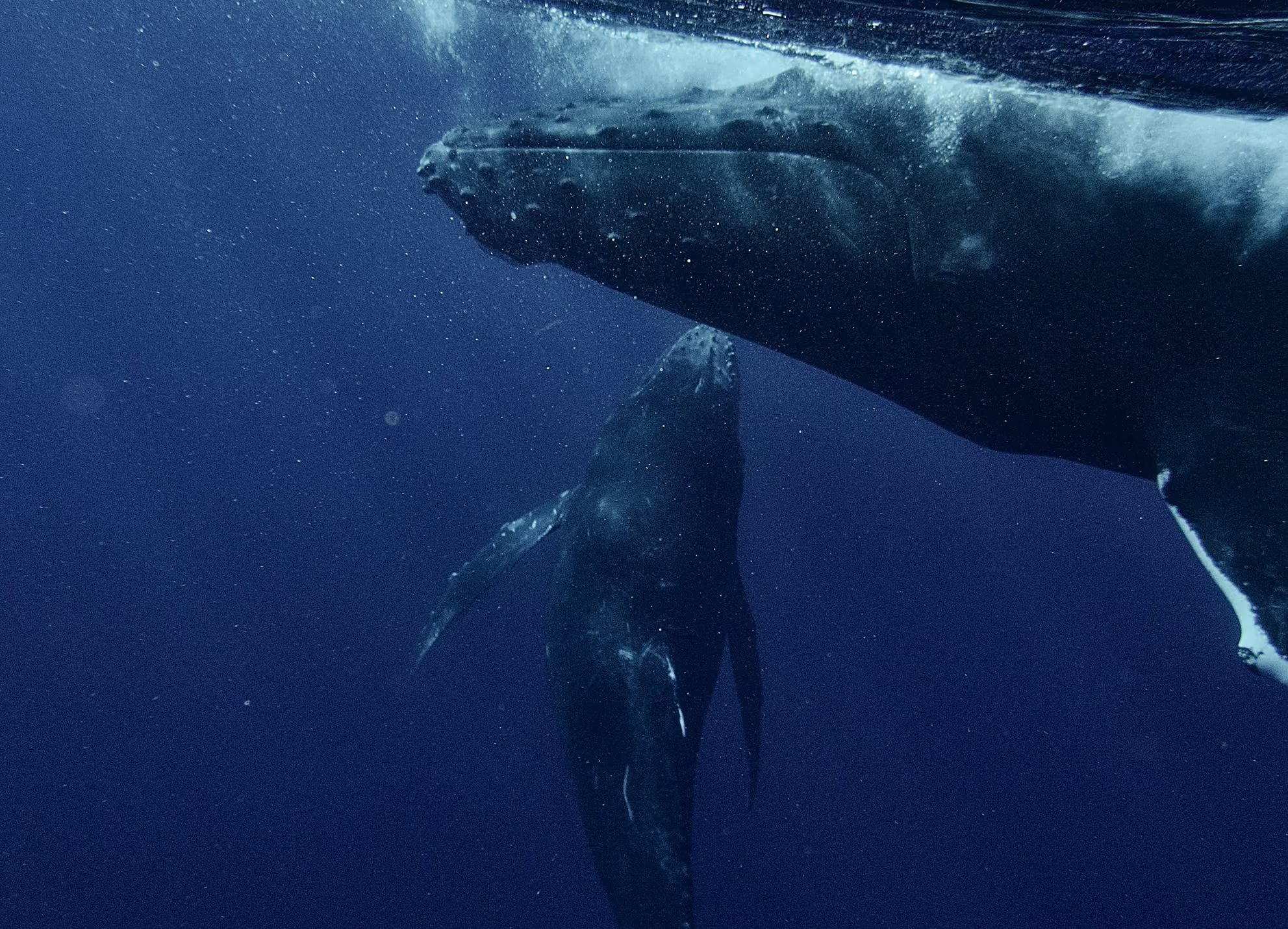
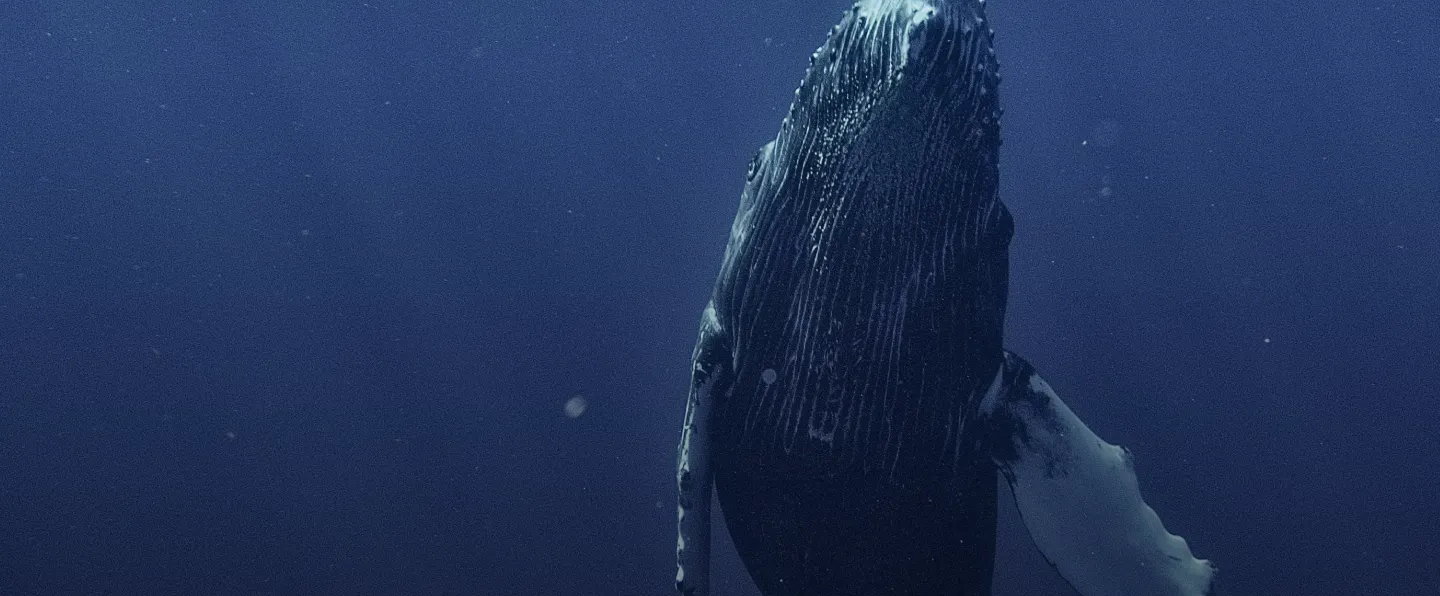
Across the Pacific, whales are far more than wildlife. They are kin, navigators, cultural ancestors and guardians of Ocean health. For generations, Pacific peoples have understood what science is only now beginning to fully appreciate: whales are essential to the wellbeing of both marine ecosystems and human communities. Today, a growing global movement is calling for whales to be recognised not simply as resources to be managed, but as beings with inherent rights and interests deserving of legal protection. From local government resolutions in North America to groundbreaking legal actions in Latin America and the Pacific-led He Whakaputanga Moana Declaration, momentum is building for a new approach to Ocean governance grounded in respect, reciprocity and stewardship.
Whale Personhood
Whales face a compounding web of human-driven threats across the globe. As the Ocean warms and industrial activities expand, these marine giants encounter multiple risks simultaneously, threatening the survival of several vulnerable species. Across the Pacific, whales are far more than wildlife. They are kin, navigators, cultural ancestors and guardians of Ocean health. For generations, Pacific peoples have understood what science is only now beginning to fully appreciate: whales are essential to the wellbeing of both marine ecosystems and human communities. Today, a growing global movement is calling for whales to be recognised not simply as resources to be managed, but as beings with inherent rights and interests deserving of legal protection. From local government resolutions in North America to groundbreaking legal actions in Latin America and the Pacific-led He Whakaputanga Moana Declaration, momentum is building for a new approach to Ocean governance grounded in respect, reciprocity and stewardship.
Large cargo ships and cruise liners travel at high speeds. Whales resting or feeding near the surface are often struck, causing severe internal trauma or instant death.
Abandoned, lost, or discarded fishing nets, lines, and crab/lobster pots drift through the water column indefinitely.
Noise from commercial shipping, underwater construction, and military sonar creates a constant background roar. This smothers whale communications, separating mothers from calves.
Baleen whales (like Blue and Humpback whales) rely on massive swarms of krill. Rising water temperatures and melting sea ice diminish krill populations, forcing whales to travel much further to find food.
What we're doing
As part of the Tohorā Guardianship project, we we seek to support Tonga in exploring what it would mean to become a global first mover in recognising and protecting the rights of whales. Building on commitments expressed by Tongan leaders at international Ocean forums, Ocean Vision Legal works alongside communities, cultural leaders, government representatives and regional partners to examine how legal innovation can strengthen whale protection while reflecting Tongan values, traditions and aspirations. Importantly, the project is not solely about law reform. Experience from around the world demonstrates that legal recognition alone rarely creates lasting change. Durable protections emerge when communities are actively involved in shaping the vision, meaning and implementation of new governance frameworks. For this reason, the project places community consultation, storytelling and public participation at its centre. Through a series of dialogues, workshops and collaborative research processes, the project will create space for communities to explore questions such as: What responsibilities do we hold towards whales? How do whales contribute to collective wellbeing? What would meaningful protection look like in a Tongan context? How can traditional knowledge and contemporary governance work together to support regenerative Ocean futures?
Related blogs

Support Our Work
The Ocean needs more than awareness. It needs accountability. Your support helps advance strategic legal action, achieve strengthen Ocean Rights and support Ocean-dependent and Indigenous communities working to protect the ecosystems they know best. Together, we can help turn legal obligation into lasting Ocean protection.