Ocean Litigation
We turn Ocean protection obligations into legal accountability
At a glance
of the world's Ocean is currently designated as protected, leaving the world far behind the 30x30 target and making legal enforcement urgent.
of the German Doggerbank Marine Protected Area was closed to bottom trawling, but key vulnerable areas remain open to destructive fishing.
About
Ocean Litigation is the judicial enforcement arm of Ocean Vision Legal.
From paper to protection: We take direct legal action to hold governments, companies and other actors accountable for their marine protection obligations. We believe that many of the legal obligations needed to protect the Ocean already exist. These duties are too often ignored, under-enforced or treated as aspirational. Through Ocean Litigation, we work to close this accountability gap and turn legal obligations into real protection for the Ocean, marine species and the communities who depend on them.
Systemic change: We use litigation strategically to create impact beyond the individual case. Each action forms part of a wider strategy to clarify legal duties, strengthen enforcement, create precedent and shift the norms that shape Ocean governance. Through this approach, Ocean Litigation becomes a tool for long-term legal change, helping to ensure that marine protection obligations are interpreted, applied and enforced in ways that meaningfully protect the Ocean.
Litigation as leverage: Climate litigation showed how law can turn environmental harm into a global accountability movement. Building on this momentum, we aim to catalyse a wave of Ocean Litigation that enables States, organisations, communities and individuals to use the law to protect the Ocean, advance Ocean justice and make marine protection obligations enforceable in practice.
Please note that most ongoing litigation work cannot be disclosed publicly for strategic and confidentiality reasons.
How We Support Partners
We partner with States, organisations, communities, individuals, and local law firms seeking to initiate legal procedures against those who fail to uphold their legal duties towards the Ocean and marine species.
Ocean Litigation can begin at different stages: when a harmful decision needs to be challenged, when a legal route is unclear, or when a client or partner is ready to bring a case. We assess whether litigation is the right tool, and if so, develop legal action with the potential to strengthen accountability, enforcement and long-term Ocean protection.
The examples below are illustrative, not exhaustive. We welcome partners to approach us with legal questions, challenges or ideas even where the legal pathway is not yet clear.
How we can support you:
Key Milestones
Shaping the future of Ocean Litigation internationally
The OVL team is frequently invited into international Ocean law spaces to speak, advise and help shape legal debate, including on the BBNJ Agreement, deep-sea mining, plastics and the enforcement of marine protection obligations. This work helps position Ocean Litigation as an emerging field for systemic legal change. Watch Anna’s expert presentation on the BBNJ Agreement before judges of the International Tribunal for the Law of the Sea at the 8th Law of the Sea Conference in Seoul through the link below.
Bringing Ocean harm before UN human rights mechanisms
We supported legal accountability work concerning Japan’s discharge of Fukushima wastewater into the Pacific Ocean, contributing to a process that led UN Special Rapporteurs to communicate serious human rights concerns to Japan. While such procedures are not legally binding, they can create public scrutiny, international pressure and authoritative recognition that Ocean harm is also a human rights issue.

Complaint submission with ClientEarth
We worked with ClientEarth to submit a complaint to the European Commission against Denmark (joined with complaints against Spain and Germany), submitted by ClientEarth, Seas At Risk, Oceana, Danmarks Naturfredningsforening and Stichting De Noordzee, for permitting bottom trawling in its marine protected areas, in contravention of the EU Habitats Directive. The Complaint argues that the continued allowance by these States of harmful activities like bottom trawling in their MPAs demonstrates a blatant disregard for their obligations under the EU Habitats Directive and underscores the need for urgent corrective action by these States. The complainants urge the European Commission to initiate infringement procedures against Spain, Denmark and the Netherlands. This infringement procedure is a legal mechanism that allows the European Commission to take action against a Member State that it considers has failed to comply with EU law.
Challenging bottom trawling in the Doggerbank
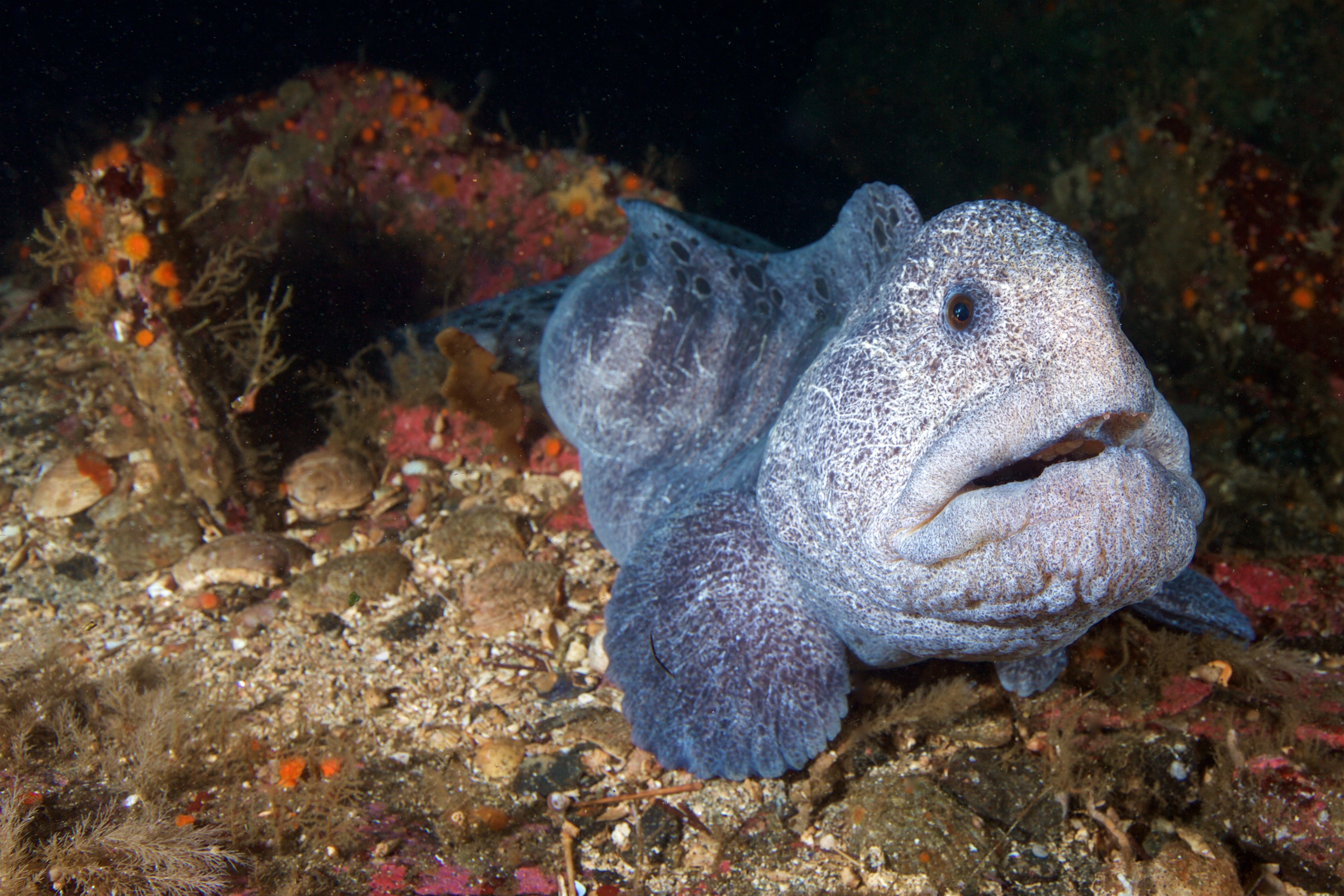
In 2024, we launched legal proceedings representing BUND against the German Federal Office for Agriculture and Food for authorising bottom trawling in the German part of the Doggerbank, a European Natura 2000 Marine Protected Area. Under the EU Habitats Directive, Member States must assess activities that may significantly affect a protected site before they are authorised, including whether they are compatible with the site’s conservation objectives. Despite this obligation, the German Federal Office for Agriculture and Food granted fishing licences for the German part of the Doggerbank that allowed highly destructive fishing methods, including bottom trawling, without carrying out the required assessments. Our case challenges this failure. If successful, the German authority will no longer be able to authorise bottom trawling in the Doggerbank without first assessing its impact on the protected site. This would help ensure that Marine Protected Areas are not only protected on paper, but enforced in practice.
Related Ocean issues

Support Our Work
The Ocean needs more than awareness. It needs accountability. Your support helps advance strategic legal action, achieve strengthen Ocean Rights and support Ocean-dependent and Indigenous communities working to protect the ecosystems they know best. Together, we can help turn legal obligation into lasting Ocean protection.