Antarctica & the Southern Ocean
Enforcing the obligation to protect and preserve the marine environment in the Southern Ocean.
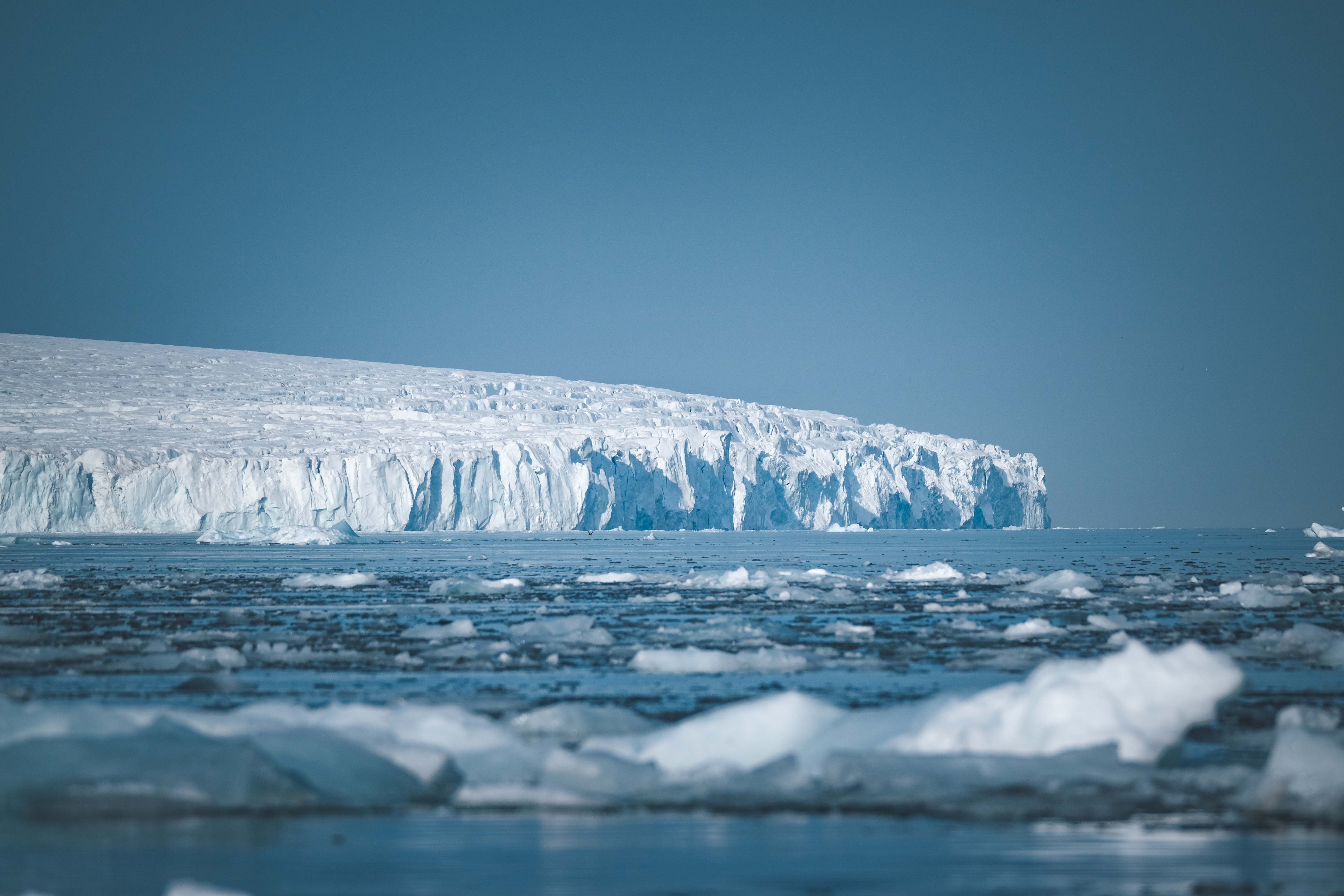
Seemingly pristine and far removed from human influence, the Southern Ocean is under increasing pressure. Expanding krill fisheries, growing vessel traffic and other cumulative human impacts are threatening one of the world’s remotest marine ecosystems. International law is not silent. Under the UN Convention for the Law of the Sea (UNCLOS), States have accepted obligations to protect and preserve the marine environment, to cooperate in doing so, and to take measures necessary to protect rare or fragile ecosystems and the habitats of threatened species. In 2023, the BBNJ Agreement was adopted to give effect to these obligations in areas beyond national jurisdiction. Yet, in the Southern Ocean, protection remains stalled. New marine protected areas (MPAs) have been blocked within the Commission for the Convention on the Conservation of Antarctic Marine Living Resources (CCAMLR Commission), the central institution for Antarctic marine conservation, because the required consensus among its members has not been reached.
Protecting the Southern Ocean
Failing to protect Antarctica poses catastrophic risks to global weather systems, coastal cities, marine food webs, and international geopolitics. Because the frozen continent acts as Earth’s primary refrigerator and climate regulator, changes in Antarctica do not stay in Antarctica—they directly impact human survival worldwide.
If global temperatures surpass critical thresholds, the melting of the West Antarctic Ice Sheet becomes completely irreversible, locking in meters of sea-level rise for future generations
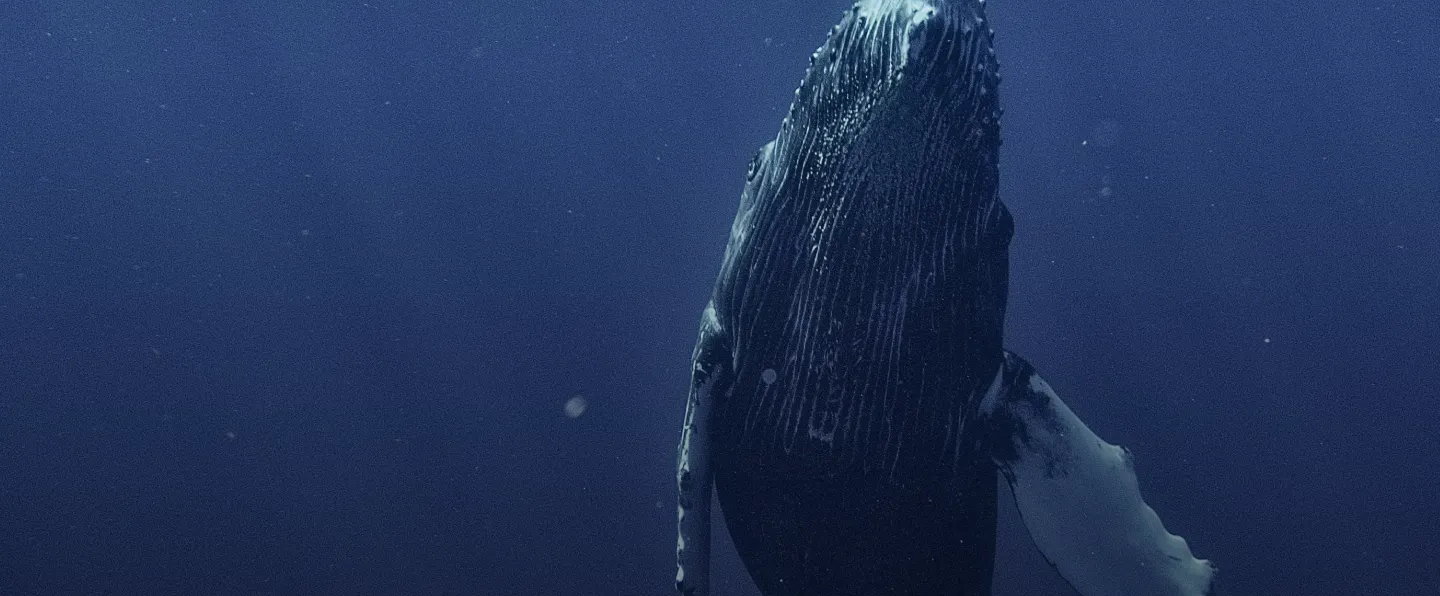
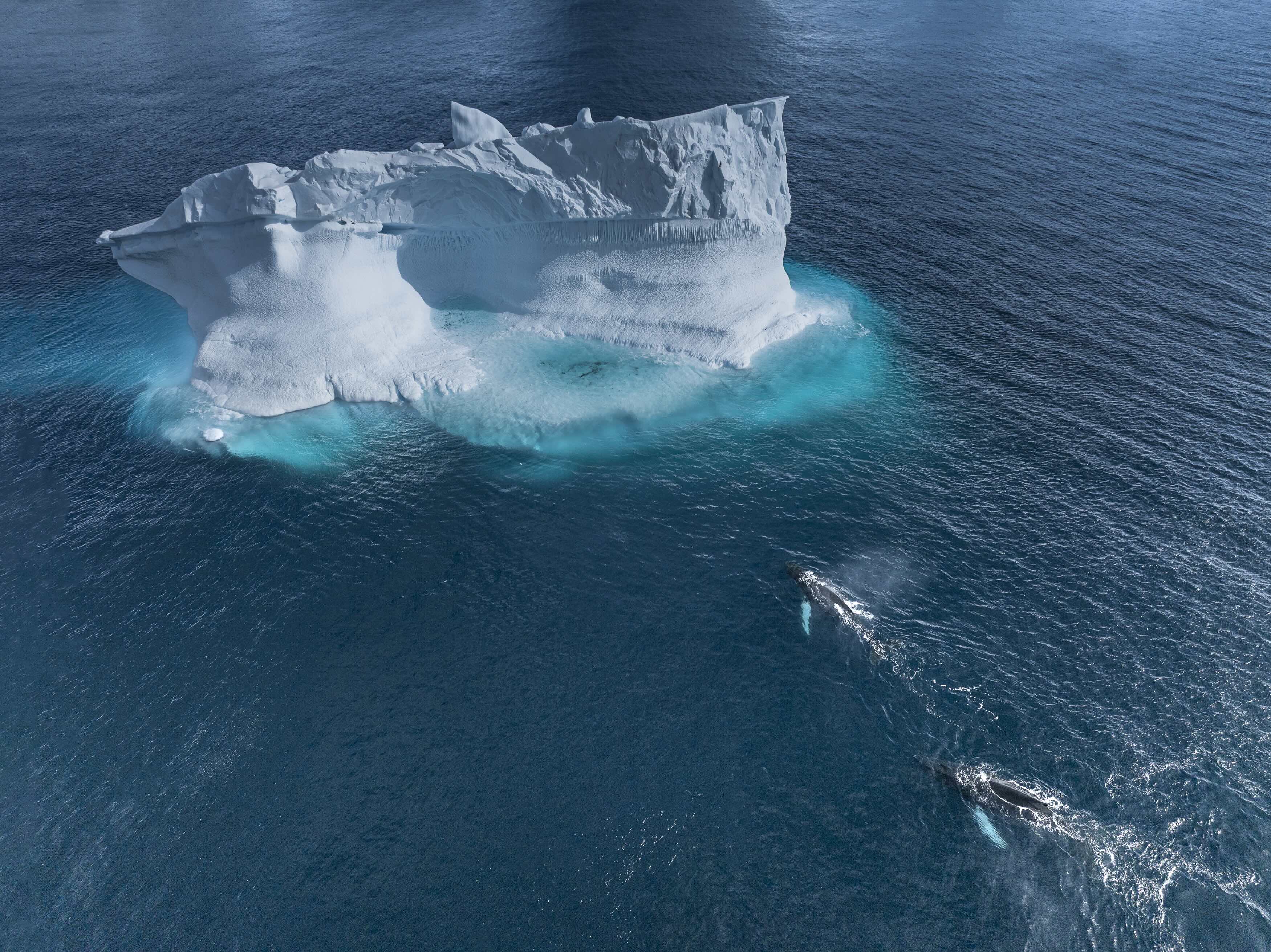
Antarctic krill is the foundation of the Southern Ocean food web, sustaining whales, seals, penguins, and seabirds. Rising water temperatures and a lack of sea ice, combined with intense commercial krill fishing, threaten to destroy krill populations.
As oil, gas, and mineral reserves deplete elsewhere, the pressure to exploit Antarctica’s vast underground riches will intensify. Failing to uphold and reinforce the Antarctic Treaty could cause international cooperation to break down, turning the continent into a flashpoint for territorial disputes and unregulated resource extraction.
What we're doing
Together with Blue Marine Foundation, we are investigating whether an Advisory Opinion from an international Court or Tribunal could help address the CCAMLR deadlock by clarifying whether States are under a legal obligation to establish, support or refrain from obstructing MPAs in the Southern Ocean. Our core conclusion is that an Advisory Opinion is procedurally viable, legally arguable and strategically valuable, provided that the request is carefully framed.
Support Our Work
The Ocean needs more than awareness. It needs accountability. Your support helps advance strategic legal action, achieve strengthen Ocean Rights and support Ocean-dependent and Indigenous communities working to protect the ecosystems they know best. Together, we can help turn legal obligation into lasting Ocean protection.