Fisheries
Strengthening legal frameworks that support thriving marine ecosystems, sustainable livelihoods and long-term Ocean stewardship.
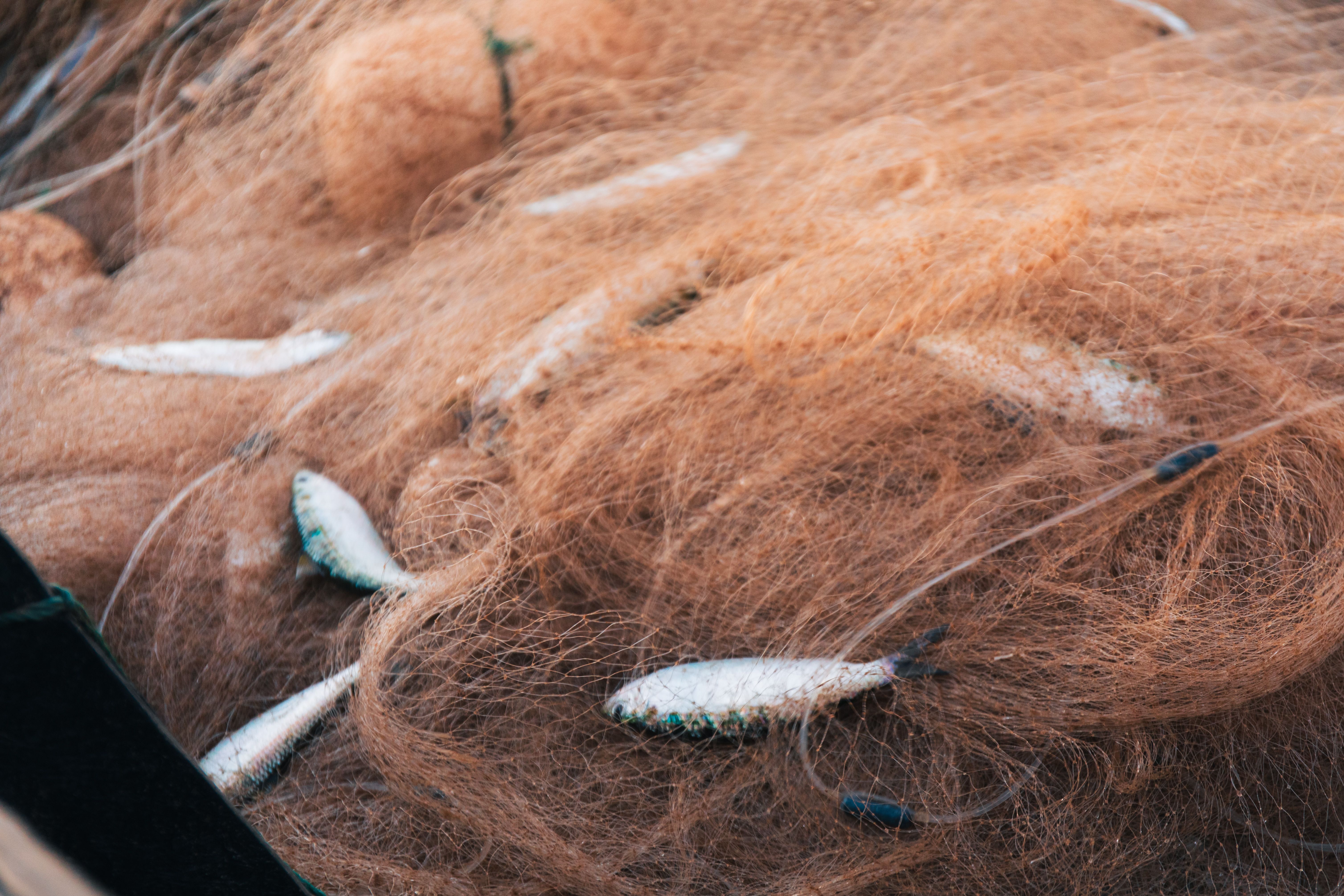
Across the world, fisheries generate a number of social, economic and environmental problems. Overfishing occurs when fish are caught faster than they can naturally reproduce, leading to depleted populations and degraded marine ecosystems. According to the latest global data from the United Nations Food and Agriculture Organization (FAO), approximately 35.5% to 37.6% of assessed global fish stocks are overexploited. This means more than one-third of the world’s fisheries are actively being pushed past their biological limits. Fisheries are also the scene of rights violations and modern slavery.
Fisheries
Fisheries play a crucial role in global food security and economic development, yet they face significant challenges. Overfishing, driven by high demand and inadequate regulation, threatens marine biodiversity and ecosystem health. This unsustainable practice not only depletes fish populations but also disrupts the balance of marine life, leading to long-term ecological consequences. Additionally, the fishing industry is plagued by human rights abuses, including forced labor and unsafe working conditions, particularly in regions with weak governance and oversight. Addressing these issues requires comprehensive legal frameworks and international cooperation to ensure sustainable practices and protect the rights of fish workers.
Target species like tuna, swordfish, and sharks are top predators. Removing them causes a "trophic cascade," where smaller prey species overpopulate and overeat the organisms below them, shattering the food web.
Wiping out specific species lowers the Ocean's genetic diversity. This makes entire marine ecosystems much more vulnerable to diseases, pollution, and climate change.
Overfishing herbivorous fish (such as parrotfish) allows algae to grow completely unchecked. The algae smothers and kills fragile coral reefs.
Indiscriminate fishing methods kill millions of non-target animals every year, including dolphins, sea turtles, seabirds, and endangered sharks.
Vulnerable, low-skilled migrant workers are frequently targeted by deceptive recruitment agencies. They are promised high-paying factory or agricultural jobs, only to be trafficked, sold onto industrial vessels, and stripped of their identification documents.
What we're doing
In 2025, we initiated collaboration with Conservation International and the Republic of the Marshall Islands to integrate Human Rights and labour protections within the local tuna fishing Industry. This work responds to persistent Human Rights and labour protection gaps across the Western Central Pacific Ocean, which hosts the world’s largest tuna fishery and supplies more than half of the global tuna market. In the Republic of the Marshall Islands, the Solomon Islands and across the region, fish workers continue to face risks including forced labour, excessive working hours, non payment or underpayment of wages, restricted freedom of movement, inadequate safety standards and limited access to complaint or remedy mechanisms. These challenges are exacerbated by weak oversight at sea, fragmented jurisdiction, reliance on flags of convenience and limited enforcement capacity, despite the existence of international labour and Human Rights standards. At the same time, governments and industry actors face growing expectations from markets, investors and trading partners to demonstrate responsible fisheries governance that addresses both social conditions and environmental sustainability. By supporting governance strengthening and worker protections within fisheries management frameworks, this collaboration seeks to advance social wellbeing alongside long term sustainability in one of the world’s most important Ocean regions.
Related blogs
Support Our Work
The Ocean needs more than awareness. It needs accountability. Your support helps advance strategic legal action, achieve strengthen Ocean Rights and support Ocean-dependent and Indigenous communities working to protect the ecosystems they know best. Together, we can help turn legal obligation into lasting Ocean protection.