Ocean Literacy
We disseminate specialised legal expertise through educational tools

About Ocean Literacy
We believe legal knowledge should be a tool everyone can use, not a barrier that keeps people out. Through free toolkits, legal assessments, and educational resources, we put practical legal know-how directly into the hands of activists, lawyers, communicators, and policymakers working to protect the Ocean.
Our Ocean Rights Communications & Advocacy Toolkit distils years of experience leading Rights of Nature campaigns into a clear, usable guide, while our free legal assessments — including formal submissions on the Fukushima wastewater discharge and expert opinions on bottom trawling in protected German waters — show what rigorous legal analysis can achieve when it's shared openly rather than kept behind closed doors.
Toolkits & guidelines

Rechtsgutachten über die Rechtmäßigkeit mobiler grundberührender Fangmethoden im deutschen Meeresschutzgebiet Doggerbank
Der Bund für Umwelt- und Naturschutz Deutschland e.V. (BUND) hat die nationale und europäische Rechtsgrundlage zur Grundschleppnetzfischerei am Beispiel des Meeresschutzgebiets „Doggerbank“ prüfen lassen. Das Rechtsgutachten kommt zu dem eindeutigen Ergebnis, dass die Fangerlaubnis mit Grundschleppnetzen im Schutzgebiet gegen geltendes Recht verstößt

Statement to the Office of the High Commission for Human Rights for Pacific Network on Globalisation (PANG)
Discharge of nuclear wastewater from Fukushima into the Ocean by Japan – Special Procedure Communications and Official Statement

Rechtsgutachten über die Beschränkung von Grundschleppnetzfischerei im Küstenmeer der deutschen Ostsee zum Schutz des Ostseedorschs
Deutsche Umwelthilfe veröffentlicht Rechtsgutachten: Verwendung von Grundschleppnetzen in Meeresschutzgebieten der Ostsee ist rechtswidrig
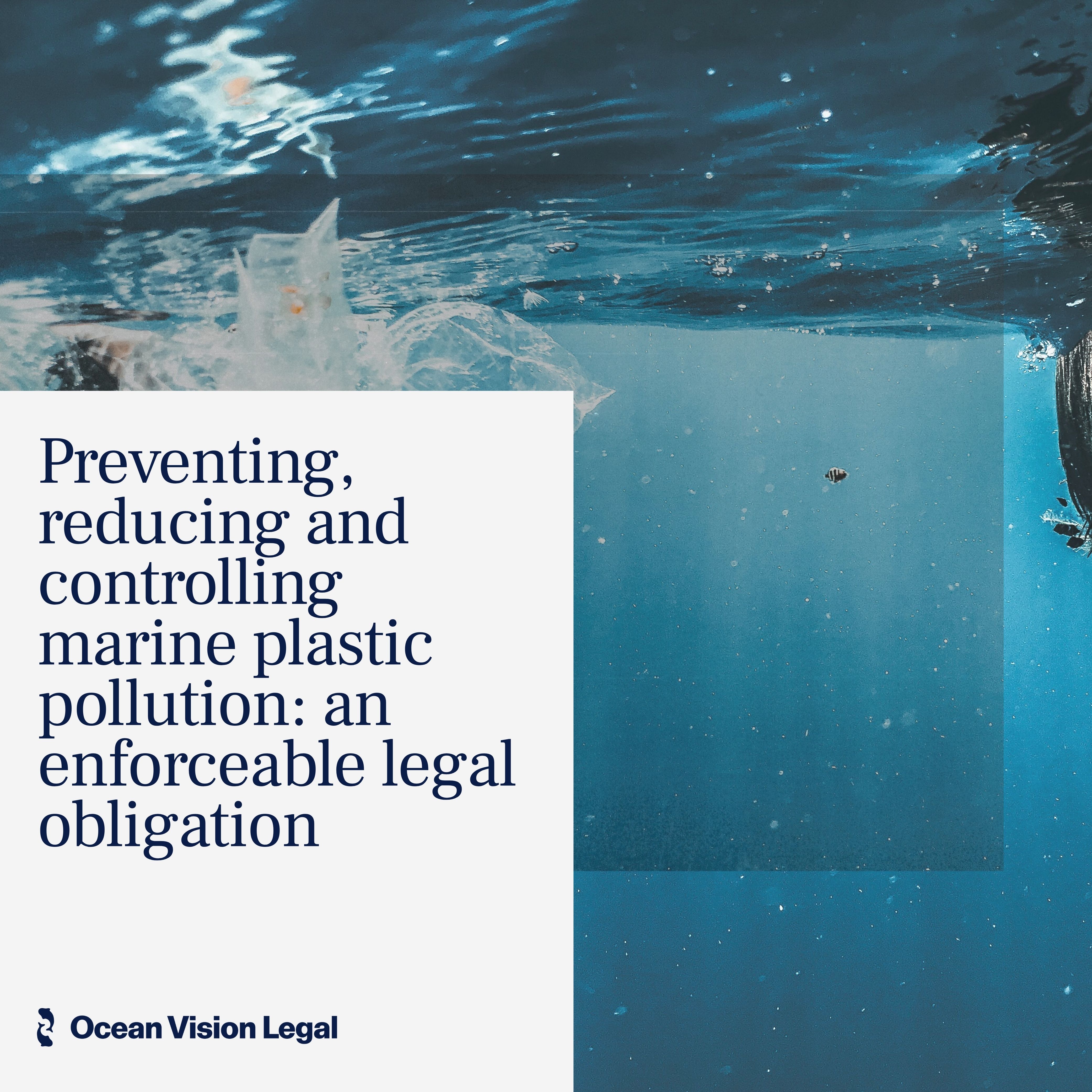
Preventing, reducing and controlling marine plastic pollution: an enforceable legal obligation
Marine plastic pollution is among the most urgent and dangerous threats facing the Ocean today. Request this policy brief to understand the legal obligations States must meet under UNCLOS and Human Rights law, and why they cannot afford to delay action.
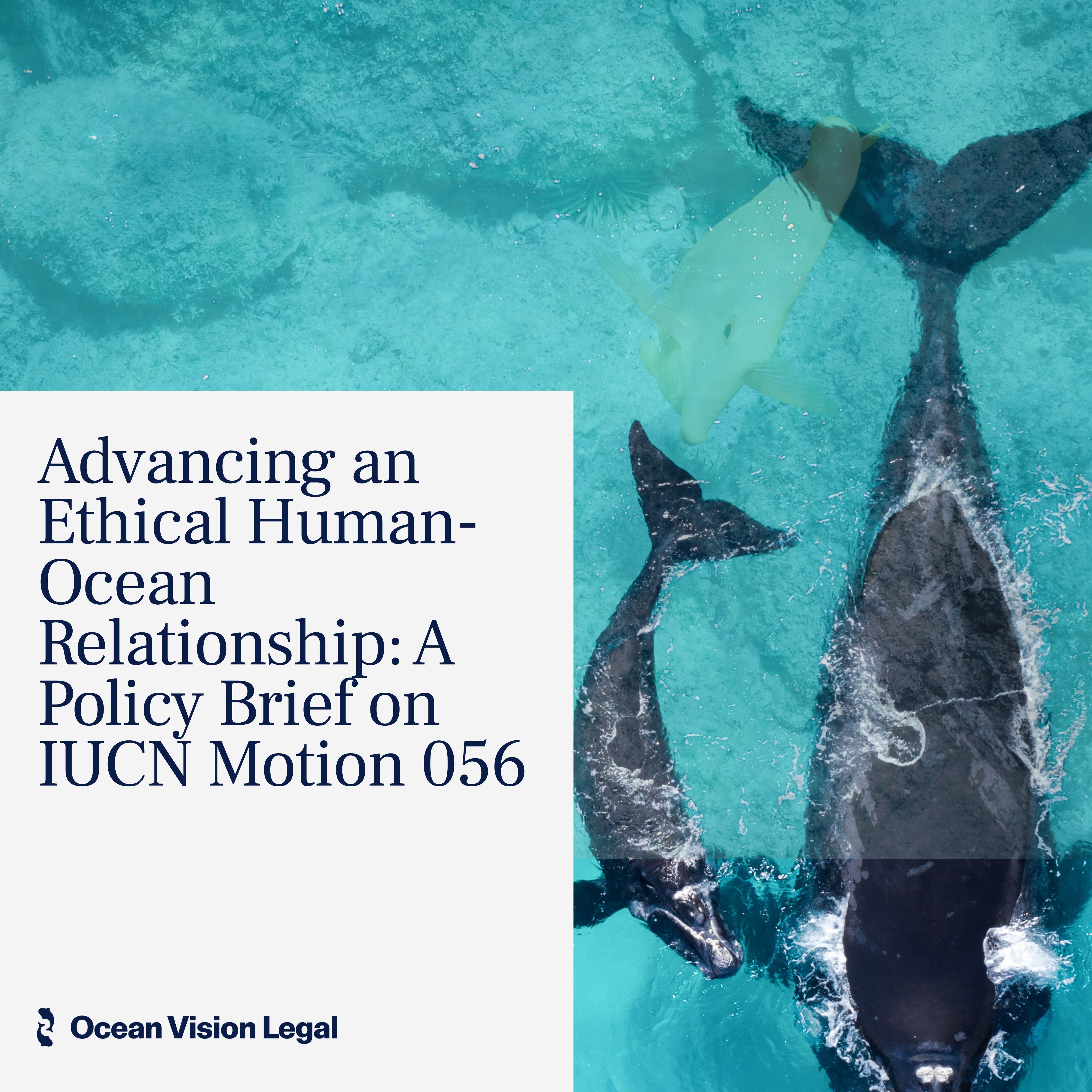
Advancing an Ethical Human-Ocean Relationship: A Policy Brief on IUCN Motion 056
This policy brief introduces IUCN Motion 056, which calls for a values-based shift in global Ocean governance by promoting ethical and rights-based approaches, including the recognition of the Ocean’s rights as one way to uphold its intrinsic value.
Support Our Work
The Ocean needs more than awareness. It needs accountability. Your support helps advance strategic legal action, achieve strengthen Ocean Rights and support Ocean-dependent and Indigenous communities working to protect the ecosystems they know best. Together, we can help turn legal obligation into lasting Ocean protection.